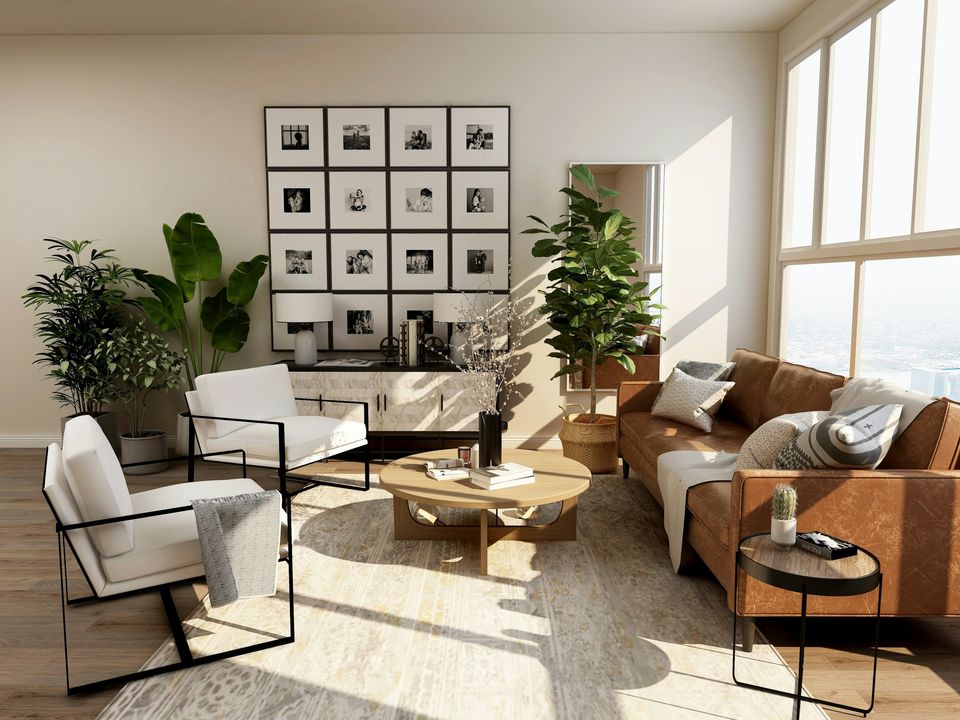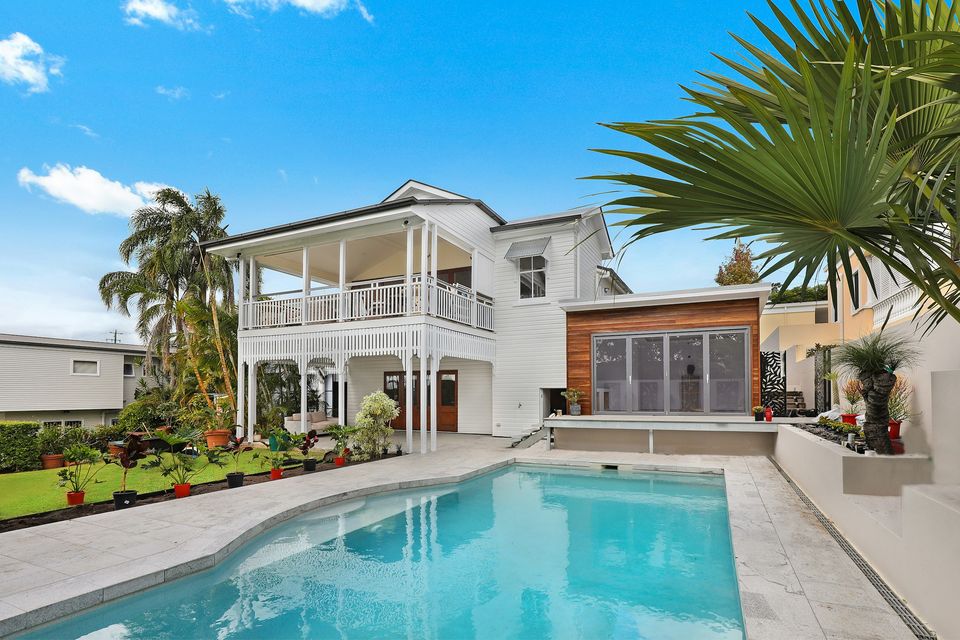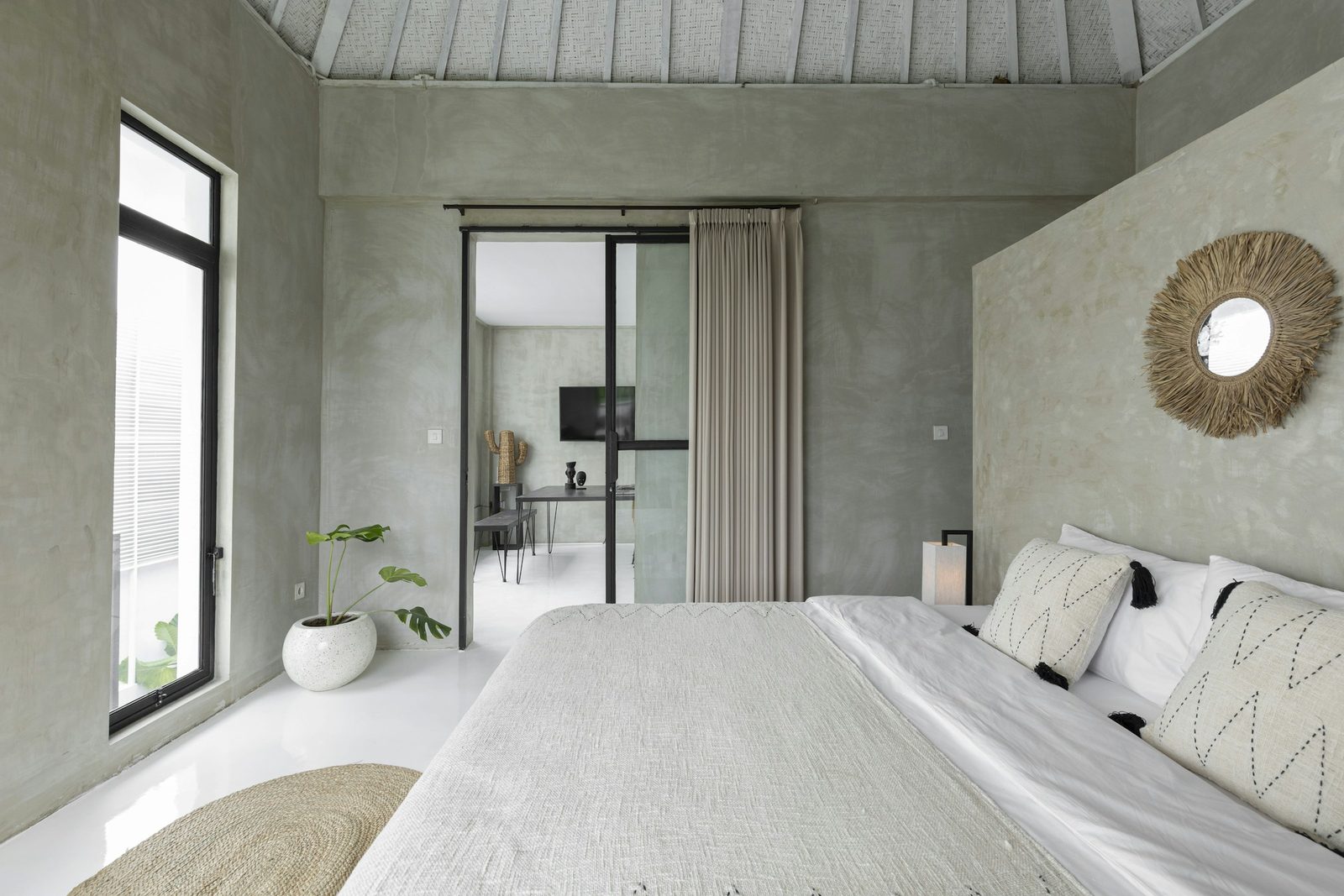
A La Jolla buyer walks through forty listings online before they walk through one in person. By the time they show up at the front door, the photographer's eight images on the listing carousel have already done most of the persuasion. The question for the stager isn't what looks good — it's what those eight images need to say to a buyer fluent in this market's signals.
The La Jolla luxury buyer profile, plainly
The dominant La Jolla buyer in the $3M–$8M band is one of three personas: the East Coast finance relocation (often relocating for biotech or remote private equity), the second-home Bay Area family, or the multigenerational San Diego buyer trading up from inland coastal toward the village or the shores. All three are visually literate. All three will recognize when a listing has been over-staged with builder-grade transitional furniture — and all three will assume the rest of the seller's decisions are similarly indifferent.
That last sentence is the one that matters. Bad staging in La Jolla doesn't just hurt the photograph — it signals that the seller hasn't paid attention. In a market where the buyer is paying for someone else's attention to detail (architecture, restraint, view-axis, materiality), signaling indifference is the most expensive mistake on the listing.
Cue one: the unbroken view-axis
Every La Jolla home with a view has a primary axis — the line from the entry through the main living space to the window or the ocean. Buyers walk it instinctively in the first photograph. The number one staging error is putting a sofa, a console, or a tall art piece anywhere along that axis. Low-profile furniture, a clear sightline, and the view as the room's punctuation. That's the test.
Cue two: material honesty over material performance
La Jolla buyers in the luxury tier read materials at a glance. Travertine reads as luxury. Honed marble reads as luxury. Polished engineered quartz reads as builder. Glossy-finish wood veneer reads as builder. The buyer doesn't have to consciously parse this — they've spent years in homes where the difference is the price tag. Staging in this market means choosing materials that won't get downgraded on inspection of the photograph: real wood, real stone, real ceramic, real linen.
Cue three: scale relationships, not square footage
The single biggest visual mistake we see in La Jolla listings is undersized furniture in oversized rooms. A 5,000 square foot Bird Rock home with a tasteful but small sectional reads to the buyer as "the seller didn't have the budget to fill this house" — which in this market reads as "something is off about this property." The fix is correctly-scaled anchor pieces: a long low sofa, a substantial dining table, large-format art. Every room should have one piece that the buyer reads as "this is a serious house."
Cue four: the texture stack
La Jolla coastal homes photograph best with three to four textural layers per room: wood, stone, woven natural fiber, and linen. The eye reads texture as warmth, and warmth is the antidote to the cooler white-bone palette most luxury La Jolla homes are painted in. We layer a Belgian linen sofa with a chunky boucle pillow, a vintage flatweave rug with a sisal under-layer, a travertine coffee table with a ceramic vessel. The room photographs as inhabited rather than installed.
Listing in La Jolla?
Free walk-through, fixed quote, install on the photographer's timeline.
Book a Walk-ThroughCue five: the art on the walls
Art is the most common place where La Jolla listings get tonally wrong. Beach-scene photography in mass-market frames reads as a vacation rental. Oversized abstract canvases reads as a hotel lobby. The right answer is medium-format work — single panels under 40 inches, framed in natural wood or thin matte black, hung at the lower edge of the buyer's eye level. Buyers read this as a homeowner with taste, not a stager with a portfolio.
Cue six: the kitchen as architecture, not as styling
La Jolla luxury buyers are coming from kitchens that already work. They don't need to see cookbooks propped on the counter or a wooden cutting board with a baguette. They need to see the kitchen's actual architecture — the run of the cabinetry, the slab on the island, the relationship to the dining or living space. Staging a luxury La Jolla kitchen means clearing it almost entirely. One ceramic bowl with citrus. One stack of two books on the open shelf. That's it.
Cue seven: the primary bedroom signals "rest," not "hotel"
The primary bedroom in a La Jolla listing photograph either reads as "this is where the buyer's life happens" or "this is where housekeeping turned down the bed." The difference is in three details: an unmade-but-styled bed (rumpled linen, not crisp hotel folds), a book on the nightstand with a real spine and real wear, and a reading chair with a folded throw that looks lived-in. The room should suggest morning, not check-in.
Cue eight: the outdoor space tells the buyer what life looks like here
In La Jolla, the outdoor space is half the persuasion. Buyers in this market are paying a premium for indoor-outdoor living. The staging brief is to suggest a specific Saturday afternoon: one well-scaled lounger with the cushion folded back as if just used, one ceramic side table with a glass on it, one folded throw, one substantial planter. The composition reads as a moment in the buyer's actual life next year, not as a furniture catalog spread.
The La Jolla buyer is buying the life they think they'll have here. The stager's job is to make that life specific.
The buyer's first walkthrough is the photograph
By the time a La Jolla buyer schedules an in-person showing, the listing's eight photographs have already moved them from "browse" to "candidate." The staging work that earns that move is rarely the loudest staging in the carousel — it's the staging that respects the buyer's intelligence, the property's architecture, and the specific cultural moment of a North County coastal market that has more sophisticated buyers than any other ZIP in San Diego County.
These eight cues are the La Jolla application of the vacant staging methodology we use across North County — the same framework, tuned to the specific buyer pool here. If you have a La Jolla listing on the calendar, the path is the same: book the walk-through, lock the quote, and let us run the install with the photographer's call sheet already in mind. The eight cues above will do the rest.